01
Capability Is Not Enough
Intelligence can produce outputs without preserving the context that made them meaningful.
Francisco J. Mayorga, Jr. writes at the intersection of artificial intelligence, learning, organizations, and civilization, advancing the Mnemosyne AI Continuity Framework™: a doctrine for preserving memory, meaning, judgment, and verification across time.
Retrieval is not continuity.
A system can retrieve information and still lose the meaning behind it. Mnemosyne begins with a simple warning: intelligence without continuity becomes brilliant amnesia.
As AI systems become faster, more agentic, and more capable, the central question changes. It is no longer only whether machines can generate answers. It is whether people, organizations, and societies can preserve the reasoning, judgment, memory, and responsibility needed to use those answers wisely.
Intelligence can produce outputs without preserving the context that made them meaningful.
Useful memory is not storage alone. It requires verification, adaptation, provenance, and responsibility.
In AI-native organizations, the ability to preserve meaning across time becomes a competitive advantage.
Each book approaches the same central problem from a different angle: how do we build intelligence, institutions, and learning systems that preserve meaning across time?
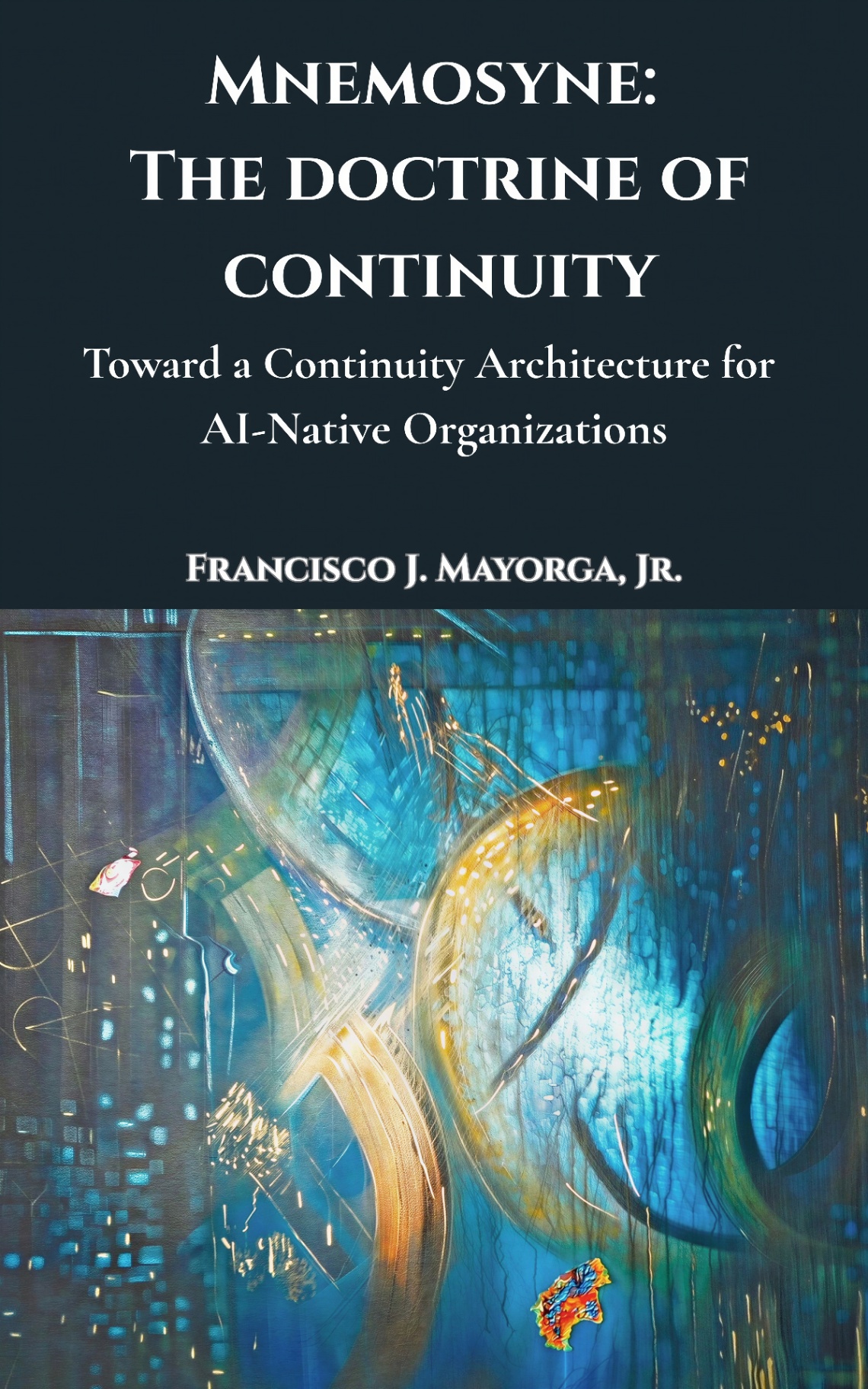
Toward a Continuity Architecture for AI-Native Organizations
A foundational work introducing the doctrine of continuity and the principles behind Mnemosyne.
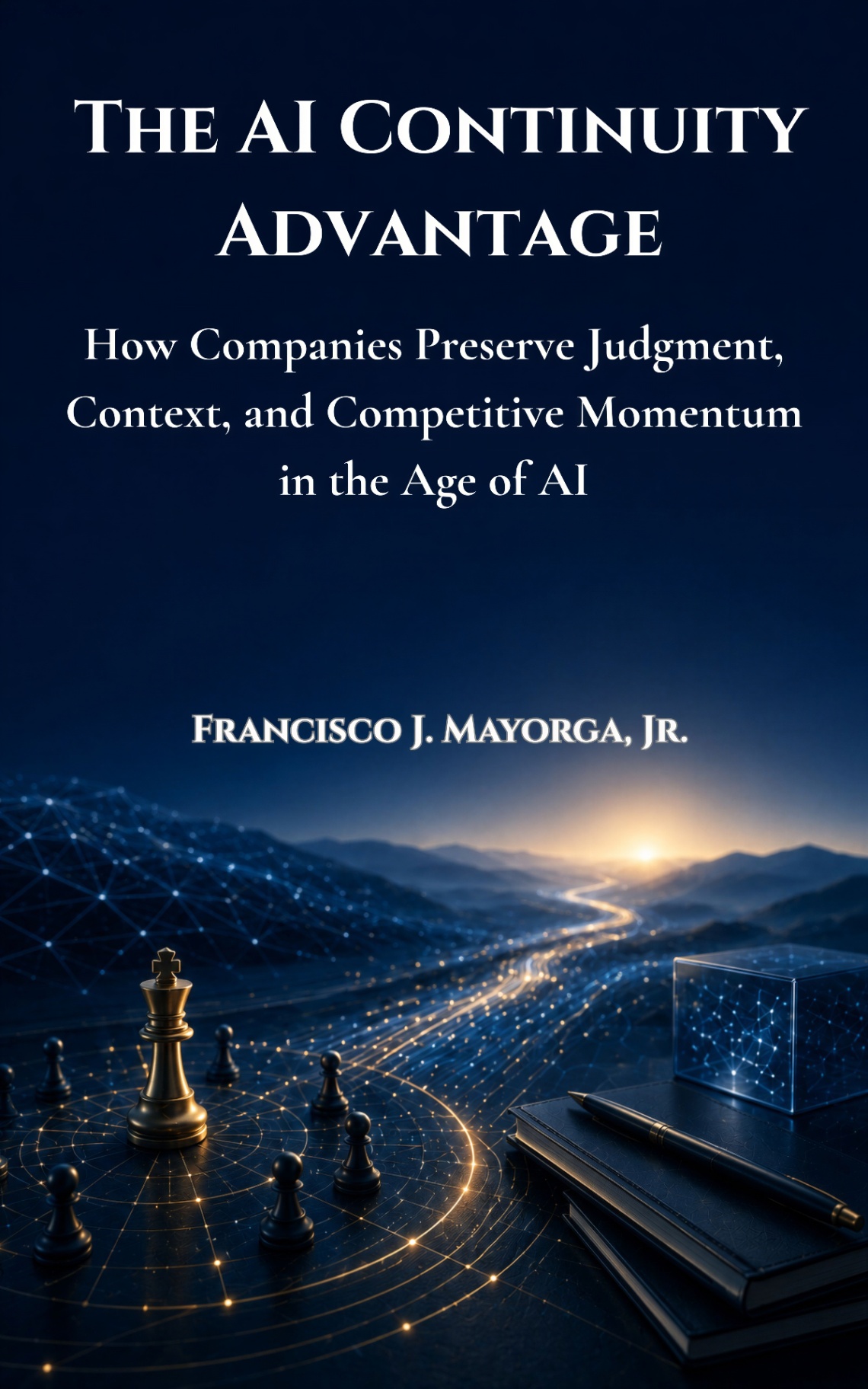
How Companies Preserve Judgment, Context, and Competitive Momentum in the Age of AI
A business-facing book about how organizations can turn continuity into a strategic advantage in the age of AI.
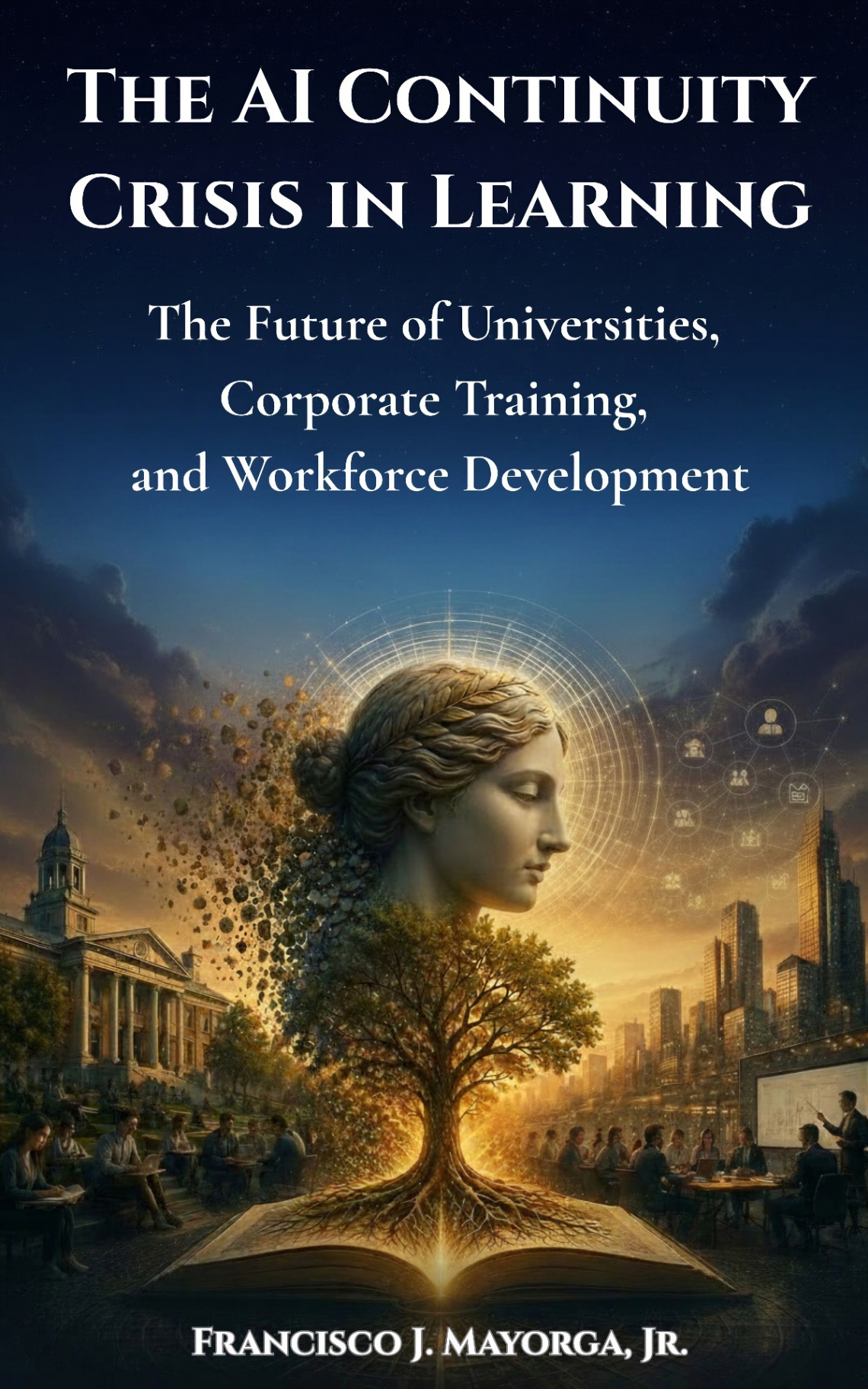
The Future of Universities, Corporate Training, and Workforce Development
A book about universities, corporate training, workforce development, and the learning continuity crisis created by AI.
Essays that sharpen the language of continuity for leaders, researchers, and builders.
A foundational essay arguing that the future of AI-native organizations depends not merely on retrieval, but on continuity architecture.
Temperature zero can reduce variation, but it cannot preserve why decisions were trusted. This essay argues that recursive AI development requires a continuity layer above inference, retrieval, logs, and pauses.
English only — Spanish translation forthcoming
Introduces the Mayorga Mnemosyne AI Continuity Framework as the governed continuity layer after memory, retrieval, and AI wikis — preserving meaning, evidence, decisions, assumptions, definitions, contradiction handling, canon status, human review, and justified change across time.
English only — Spanish translation forthcoming
Mnemosyne is also being tested through practical systems exploring continuity, learning, and intelligence in real environments.
An AI business intelligence platform designed to turn global AI and technology signals into localized executive insight and decision support for Latin America.
An AI-powered corporate training and learning intelligence initiative connected to the future of instructional design, workforce development, and organizational continuity.
An agentic AI multimedia and video platform exploring how AI can help create persuasive, culturally aware, high-quality media experiences.
Mnemosyne is supported by public framework materials, archival records, books, essays, tools, and implementation laboratories.
Evaluate whether your AI work preserves memory, reasoning, verification, and governance across time.
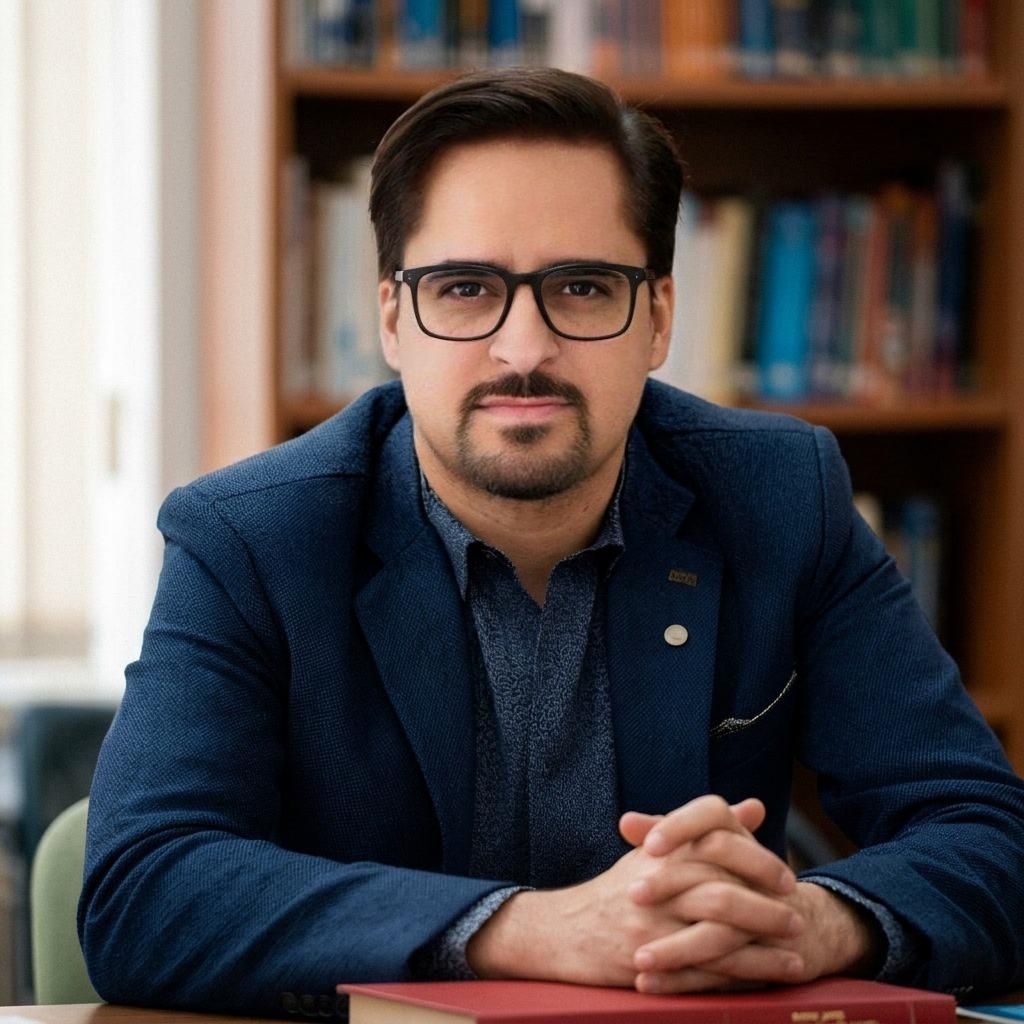
Francisco J. Mayorga, Jr. is the author and creator of the Mnemosyne AI Continuity Framework™. His work asks what happens when AI systems, institutions, and societies become more capable in the moment, but less capable of preserving memory, meaning, judgment, and responsibility across time.
Read the full biographyExplore the core ideas behind AI continuity, brilliant amnesia, and intelligence that preserves meaning across time.